
3 Reasons “Just Stop” Doesn’t Work: Breaking the Cycle of Addiction
Nobody gets addicted on purpose, and nobody gets free by accident either.
For someone caught in addiction, “just stop” sounds easy enough. But addiction rarely operates on the level of a simple decision. It can affect how the brain responds to reward, how a person handles stress, how they relate to other people, and how they see themselves.
When addiction and incarceration become part of the same cycle, simply telling someone to make better choices isn't enough.
In Arizona, 17.8% of the state's prison population was incarcerated for a drug offense as their most serious charge.¹ Nationally, a Bureau of Justice Statistics study found that 58% of state prisoners and 63% of sentenced jail inmates met clinical criteria for drug dependence or abuse in data collected from 2007–2009.²
These numbers don't tell every person's story, but they show why breaking the cycle requires more than telling someone to try harder.

3 Reasons “Just Stop” Doesn’t Work
1. Addiction changes the way reward works
Repeated substance use can change the brain's reward system, making the immediate reward feel much more powerful than the longer-term consequences. This means changing behavior often requires more than a moment of determination.
A person trying to break a cycle of addiction needs opportunities to practice different choices, build different habits, and experience the benefits of a different way of life.
Freedom isn't just learning what not to do. It’s learning what to do instead.
2. Isolation makes change harder
Addiction can pull people away from healthy relationships.
Someone who believes, “Nobody understands me,” or “I've already messed everything up,” is less likely to ask for help when things get difficult. Without people around them who know where they are, what they're working toward, and what they need to stay accountable, it’s easier to return to familiar patterns.
It’s important to stay connected. People in recovery need meaningful relationships with people who will encourage, challenge, pray with, and walk with when the right choice seems too difficult.
The Substance Abuse and Mental Health Services Administration's 2026 National Recovery Month materials emphasize the importance of relationships, belonging, meaning, and purpose in recovery.³

3. Shame doesn't produce freedom
Nobody can shame themselves into a better life, and shame coming from others who think they know better doesn't help either. We all have something we are ashamed of, even if it’s not apparent to other people.
In Romans 7, Paul writes about doing the very thing he hates and failing to do the thing he knows is right. It's an honest description of the conflict between what we should do and what we ought to do.
"...I do not understand my own actions. For I do not do what I want, but I do the very thing I hate."
Romans 7:15
Shame can become part of the cycle, making it harder to ask for help or believe that change is even possible.
Recovery does not mean pretending the past didn't happen or excusing the damage caused by addiction. A person can acknowledge what they've done, accept the consequences, and still believe that God is not finished with them.
Recovery Takes More Than Willpower
This is where the approach of Along Side Ministries is different from simply telling someone to make better choices.
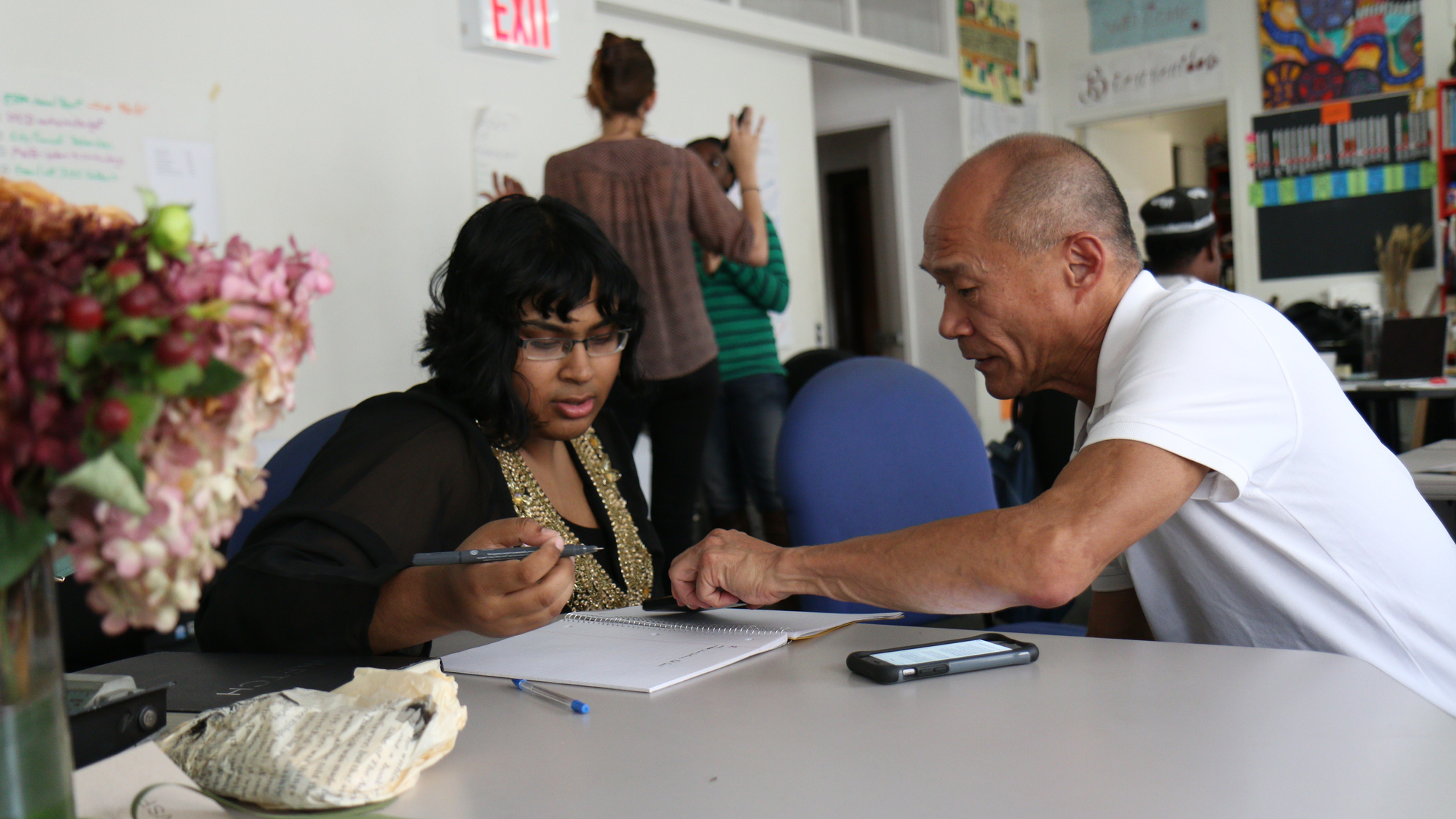
During Phase 2, men and women leaving prison have a place to live while they work through a structured transition into the community. This phase of our program includes safe housing, one-on-one spiritual and holistic mentoring, Discipleship Groups, Celebrate Recovery, life-skills training, and church involvement.
Each part of that structure addresses a different challenge people face in recovery.
Routine gives someone a structure to live within.
Community means they aren't trying to change in isolation.
Accountability helps someone stay on the straight and narrow path.
For Along Side Ministries, faith is part of that structure. Celebrate Recovery provides a place to address habits and life challenges within a Christian community, offering separate groups for men and women that meet at different locations. Mentoring and Discipleship Groups provide ongoing relationships. Life-skills training helps translate spiritual growth into everyday decisions about work, relationships, finances, parenting, and life outside prison.
The Difference Structure Can Make
At Along Side Ministries, 97% of our graduates get out of prison and stay out.
That number shouldn't be treated as a guarantee for any individual, but It does point toward the potential of a structured approach to reentry and recovery.
People need somewhere to go, people to walk with, accountability, and practical skills. They also need to know that their worst decision does not have to be the final word on their life.
Recovery Is Possible
September is National Recovery Month, a time to recognize people in recovery and the families, communities, and organizations that support them.
At Along Side Ministries, we believe recovery is about more than leaving prison or leaving addiction behind. It's about becoming the person God created you to be and learning to live that out in community.
That's why we don't believe “just stop” is enough. We believe people need truth, responsibility, grace, structure, community, and a reason to keep moving forward.
You can see what breaking the cycle of addiction looks like firsthand
Join Along Side Ministries at one of our Beyond the Bars events, an opportunity to learn more about the ministry and see our approach to recovery and reentry firsthand.


Comments